10 Best Frameless DC Motors for Global Buyers
Selecting a compact motor for a robotic joint, medical device, or precision actuator requires more than comparing catalog ratings. A Frameless Dc Motor integrates directly with the machine’s rotor and stator structure. This design can reduce mechanical parts, save space, and improve torque density. Yet integration demands careful engineering.
This guide introduces 10 Best Frameless DC Motors for Global Buyers. It examines continuous torque, peak torque, speed range, winding options, thermal limits, feedback compatibility, and mounting flexibility. These details matter on a production line, where a motor may run for thousands of hours beside a warm gearbox. We also consider documentation quality, supplier responsiveness, sample availability, and support for international compliance requirements. Numbers alone are not enough.
Real-world selection is rarely perfect. A motor with impressive peak torque may overheat inside a sealed housing. A lower-cost model may require custom tooling or lengthy technical support. Buyers should verify drawings, tolerances, insulation ratings, test reports, and delivery terms before approval. Ask practical questions. Can the stator survive repeated thermal cycles? Does the supplier provide winding data and replacement guidance? Are performance claims based on consistent test conditions?
The products discussed here are not ranked by price alone. Their suitability depends on load profiles, available cooling, control electronics, and manufacturing volume. This overview offers a reliable starting point, while final validation should include prototype testing and qualified engineering review. That step is easy to skip. It can also prevent expensive redesigns later.
What Frameless DC Motors Are and How They Work
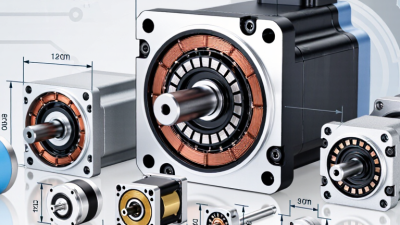
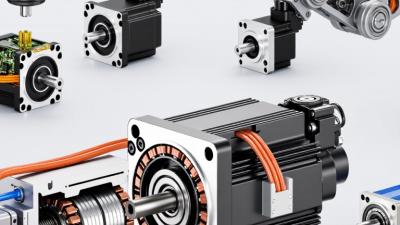
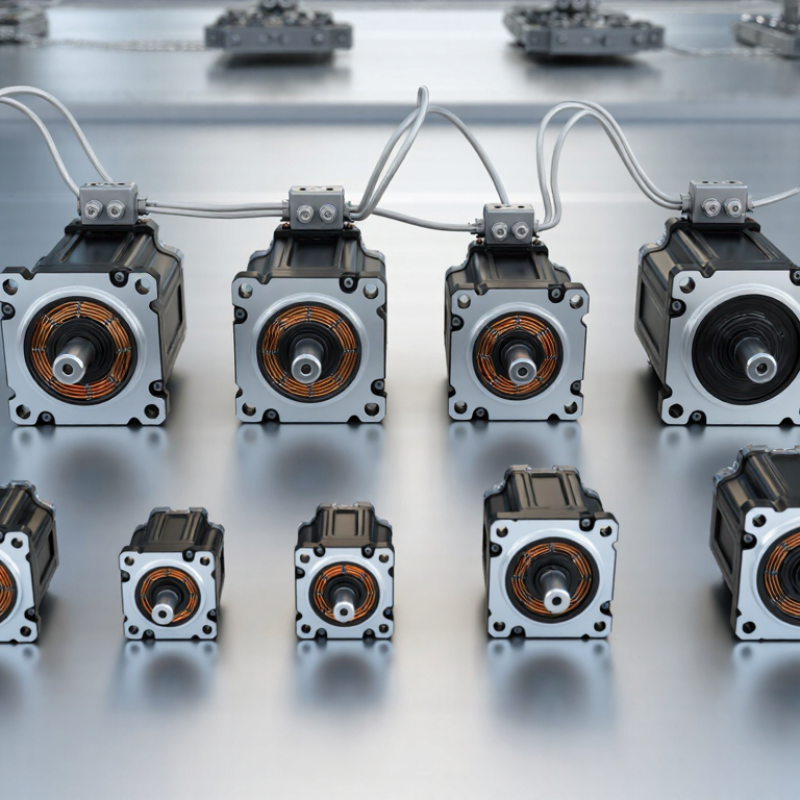
A frameless DC motor is a rotor-and-stator set without a conventional housing, bearings, or shaft. The machine designer supplies those parts. No outer shell.
The stator contains copper windings and laminated steel teeth. The rotor carries permanent magnets. When a controller switches current through the windings, magnetic fields pull the rotor around the stator. Hall sensors or encoder feedback can guide commutation.
Sensorless control is possible, but low-speed positioning may become less predictable. That matters.
This architecture saves space inside robotic joints, gimbals, medical tools, and compact actuators. It also reduces duplicated mechanical parts. However, “frameless” can mislead buyers. The motor is not automatically lighter, cooler, or easier to install. The final performance depends on the customer-designed housing, bearings, alignment, and heat path.
The U.S. Department of Energy’s Motor Systems Market Assessment reports that motor-driven equipment consumes about 46% of global electricity. This figure explains why efficiency, control quality, and thermal design matter beyond the motor catalogue. The report also emphasizes system-level performance, not motor efficiency alone.
For global buyers, compare continuous torque, peak torque, winding resistance, voltage range, rotor inertia, and allowable temperature.
A small air gap can improve torque density, yet poor alignment may create noise and friction. I would leave room for testing, because theoretical curves rarely capture every installation detail.
Key Specifications for Evaluating Frameless DC Motors
Selecting a frameless DC motor starts with the load, not the catalog headline. Measure continuous torque, peak torque, speed, and acceleration separately. Peak torque may last only seconds, while continuous torque depends heavily on cooling. Heat matters. Compare winding resistance, back EMF, voltage constant, and current limits at the same temperature. These values show whether a motor suits a 24 V or 48 V drive. Rotor inertia affects response, especially in gimbals, joints, and compact automation. Do not guess. Ask for torque-speed curves, tolerance ranges, and test conditions. Without them, efficiency figures can look better than real operation.
Mechanical fit deserves equal attention. Check stator diameter, rotor bore, stack length, air gap, mounting faces, and shaft alignment. A fraction of a millimeter can create vibration or rubbing in a tightly integrated assembly. Review insulation class, thermal resistance, allowable winding temperature, and sensor placement. If the design uses an encoder or Hall sensors, confirm electrical compatibility before procurement. For global sourcing, request metric drawings, material declarations, inspection records, and sample test data. Batch consistency matters. Yet documentation is not proof of perfect performance. During evaluation, test startup torque, temperature rise, noise, and repeated reversals under the intended duty cycle. That step often reveals weaknesses missed by a short laboratory test. Leave margin for manufacturing variation, because ideal calculations rarely survive production unchanged.
Ten Top Frameless DC Motors for Global Buyers
Ten Top Frameless DC Motors for Global Buyers should be judged by integration data, not attractive catalog images. Frameless BLDC motors provide a rotor, stator, and open mechanical architecture. This design supports compact joints, robotic arms, medical instruments, and precision actuators. The International Federation of Robotics reported 541,302 industrial robot installations in 2023. That figure signals continuing demand for small, efficient motion systems.
During supplier evaluation, check continuous torque, peak torque, winding resistance, thermal limits, and rotor balance. A motor rated at 2 Nm may reach that value only briefly. Ask for torque-speed curves at the intended voltage. Request thermal test conditions, too. In practical assembly work, poor heat transfer often causes more trouble than insufficient electrical power. The U.S. Department of Energy identifies motor systems as major industrial electricity users, making efficiency and cooling important purchasing factors.
The ten top frameless DC motors for global buyers should also support encoder integration, low cogging, and repeatable tolerances. The World Robotics 2024 report shows that installed industrial robots reached about 4.28 million units worldwide. Buyers should therefore consider long-term parts availability and documented quality control. ISO 9001 certification can support process consistency, but it cannot replace independent testing. Some specifications remain incomplete. That is a warning, not a minor detail. Compare samples under real load, record winding temperature, and inspect noise after extended operation before approving volume orders.
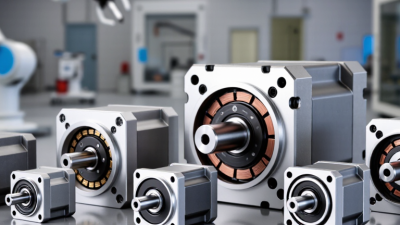
10 Best Frameless DC Motors for Global Buyers
Comparison of ten representative frameless DC motor configurations by continuous torque and maximum recommended speed. The values are engineering reference targets for early-stage selection and should be verified against the final supplier datasheet.
Higher-torque configurations are generally suited to robotic joints, gimbals, actuators, and compact automation systems, while higher-speed configurations are typically preferred for lightweight motion platforms and precision spindles. Actual performance depends on the controller, winding, thermal design, bearings, and operating duty cycle.