Top 10 Tips for Choosing the Right Electrical Breakers?
When selecting Electrical Breakers, making the right choice is crucial. These devices protect your home from overloads and shorts. Choosing the wrong breaker can lead to safety hazards. It is important to consider various factors before making a decision.
Understanding the purpose of Electrical Breakers is the first step. They serve as a gatekeeper for electrical circuits. A well-chosen breaker can enhance the safety and efficiency of your electrical system. However, many people overlook critical details. Inadequate knowledge about amperage, voltage ratings, and compatibility can cause issues.
Reliability and performance are paramount. Not every breaker is made the same. High-quality options are out there, yet some products may not meet standards. This can lead to frustration and increased costs. Knowing how to evaluate options can ensure your choice aligns with your needs. Before purchasing, reflect on the long-term implications of your selection.
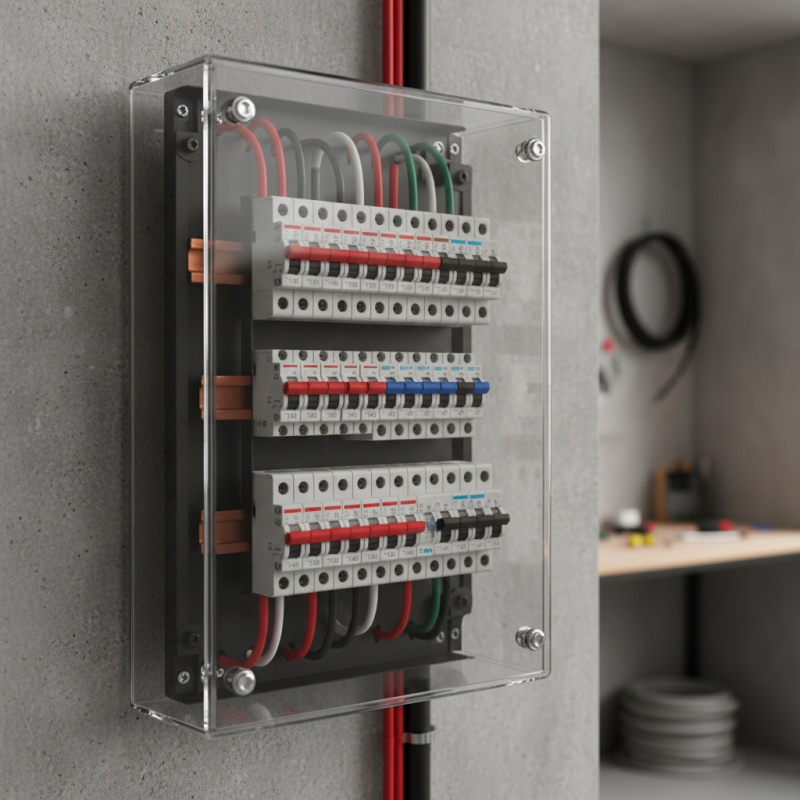
Understanding the Different Types of Electrical Breakers Available
When selecting electrical breakers, understanding the different types available is crucial. Circuit breakers come in various forms, including Standard, Ground Fault Circuit Interrupter (GFCI), and Arc Fault Circuit Interrupter (AFCI). Standard breakers protect against overloads and short circuits. GFCI breakers, on the other hand, are essential in wet areas, such as bathrooms and kitchens. They can prevent electrical shock by cutting off power when a fault is detected. AFCI breakers reduce the risk of electrical fires by sensing arc faults.
It's essential to consider the specific needs of your home or project. Each type serves a unique function, and using the wrong one can pose safety risks. For example, GFCI breakers may not be suitable for high-load circuits. This highlights the importance of consulting with a licensed electrician. They can provide expert advice tailored to your situation. Remember, not all breakers fit every application. Take the time to assess your electrical system's requirements before making a choice. A small oversight can lead to significant issues down the line.
Assessing the Amperage Ratings for Your Electrical System Needs
When selecting electrical breakers, amperage ratings are crucial. These ratings determine how much current a breaker can handle without tripping. It’s essential to assess the needs of your electrical system carefully. A breaker rated too low will trip often, disrupting power to your appliances. On the other hand, an oversized breaker may not provide adequate protection.
Check your home's total electrical load before making a decision. Calculate the amperage requirements of your devices. This can prevent future issues. If unsure, seek advice from a professional electrician. They bring valuable insights that can guide your choice.
Consider investing in breakers with adjustable settings. These offer flexibility as your electrical needs change. Pay attention to safety certifications. A reliable breaker should meet industry standards to ensure your home’s safety. Remember, quality matters in preventing hazards. Choosing the right amperage rating is vital.
Aim for functionality and safety in your electrical system.
Evaluating the Voltage Requirements for Optimal Breaker Selection
When selecting electrical breakers, voltage requirements are crucial. Understanding your system's voltage needs helps ensure safety and functionality. Most residential systems operate on 120/240 volts. Always check what voltage your appliances require. Over-voltage can damage devices. Under-voltage can lead to inefficient performance.
It's vital to consider the environment too. High humidity or extreme temperatures can affect breaker performance. If you live in such conditions, opt for breakers designed to withstand these factors. This detail can often be overlooked. Adjusting to environmental needs increases reliability.
Be mindful of your past experiences with breakers. Some may have tripped unexpectedly. Reflecting on these moments is key. How did the voltage factor in? Learning from these experiences will guide your choices. You want reliable breakers that match your specific voltage requirements. Don't hesitate to ask an electrician if you're unsure.
Identifying Key Features and Technologies in Modern Circuit Breakers
When selecting modern circuit breakers, understanding their key features is vital. One important aspect is the trip mechanism. Magnetic trip breakers offer fast response times, while thermal trip breakers provide gradual responses. Knowing the differences can help you choose the right one for your needs.
Circuit breakers now incorporate advanced technologies. Some units come with smart features, allowing for remote monitoring. This capability can enhance safety and provide real-time data on electrical usage. However, with these features, the complexity can increase. Users must ensure they understand the functions to avoid misuse.
Another critical feature is the breaking capacity. This determines how much current a breaker can handle before tripping. It's essential to choose a breaker that aligns with your electrical load. Underestimating this value can lead to potential failures and hazards. Pay attention to the specifications and consult with experts when in doubt.
Top 10 Tips for Choosing the Right Electrical Breakers
Consulting Professional Guidelines for Proper Installation and Safety
Choosing the right electrical breakers is crucial for safety and efficiency. Consultation with professionals can significantly improve your installation process. Electricians possess the expertise and experience to guide you through the selection. However, understand that each installation is unique. Factors like load requirements and local codes vary.
When deciding on breakers, it's important to consider compatibility with your current electrical system. Professional electricians have a thorough understanding of local regulations. They can ensure that you meet all safety standards. A faulty installation can lead to serious hazards such as electrical fires. Take this risk seriously, and develop a solid plan with expert insight.
Don’t hesitate to ask questions during the consultation process. If something seems unclear, seek clarification. Remember that installation isn’t a straightforward task. Mistakes can happen, affecting the overall functionality of your electrical system. Be proactive in understanding installation protocols. Professionals are there to help, but your involvement makes a difference.